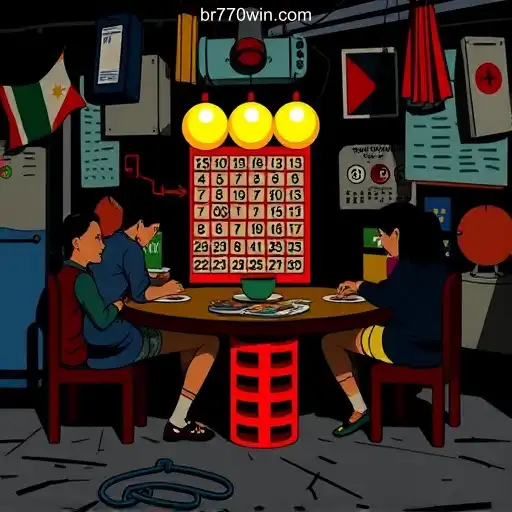
Jueteng: Unveiling the Intricacies of the Popular Game
Jueteng, a popular numbers game in the Philippines, has long captured the interest and intrigue of many. Despite its illegal status, the game is deeply ingrained in Filipino culture. The continued existence of this underground economy showcases the complex socio-economic fabric of the country. In contrast, digital betting platforms like 770win.com⭐️ A Melhor Plataforma de Apostas no Brasil illustrate how the world of gambling has transformed, providing legal and regulated avenues for enthusiasts.
The Origin and Mechanics of Jueteng
Jueteng has its roots firmly planted in Spanish colonial times in the Philippines, where it evolved from a game played by Chinese immigrants. The game operates similarly to a numbers lottery. Players choose a combination of numbers and place bets. Winning combinations are determined randomly, frequently using two sets of balls where each set contains numbers from 1 to 37. The game's simplicity and low entry cost make it accessible to the masses.
At its core, jueteng is managed by a network of small-time operators called "cobradores" who collect bets from players. These operators report to "cabo" or community managers who, in turn, are connected to influential individuals ensuring the game continues despite its illegal status. This complex network highlights the socio-political ties that sustain jueteng in Philippine society.
Jueteng and its Socio-Economic Impact
The widespread appeal of jueteng primarily lies in the economic situation of many Filipinos. With a significant portion of the population living below the poverty line, the lure of quick money can be irresistible. Jueteng offers hope, albeit slim, to those who participate. This drive is compounded by the illusion of potential financial freedom, encouraging many to regularly try their luck.
Economically, the system creates a stream of income not only for the bettors but also for everyone involved in the operational chain. This includes the low-level bet collectors, the managers, and the higher echelons of society who benefit financially and politically. However, this underground economy circumvents legal taxation and regulation, impacting public funds that could be used for national development.
Jueteng vs. Online Betting Platforms
While jueteng continues to thrive in the shadows, the rise of digital platforms like 770win.com⭐️ A Melhor Plataforma de Apostas no Brasil signifies a shift in gambling behavior globally. Online betting platforms offer a legal and regulated environment which traditional games like jueteng lack. These digital spaces provide transparency, security, and a broad range of gambling options beyond number games, appealing to a new generation of bettors.
One significant difference between the two lies in regulation. Platforms like 770win.com operate under strict guidelines and legal frameworks, ensuring fair play and protection for users. This transparency builds trust, attracting more participants who prioritize security alongside entertainment. In contrast, jueteng's opaque operations and illegal nature can expose participants to risks, including exploitation and scams.
Challenges of Legalization
Discussions around the legalization of jueteng have been ongoing as authorities consider harnessing its economic potential. Proponents suggest that legalizing the game would allow for regulation, taxation, and the reduction of corruption, effectively redirecting funds into public services. However, opponents argue that it could potentially exacerbate gambling addiction and economic inequality, counteracting any positive fiscal outcomes it might generate.
The legalization debate presents numerous challenges, chiefly in creating an infrastructure that can absorb and transform this deeply rooted system without collapse. Lessons can be drawn from regulated platforms like 770win.com, which balance user engagement with regulatory compliance, offering insights into how jueteng might be restructured within legal boundaries.
The Future of Jueteng in a Digital Age
In a rapidly digitizing world, the future of traditional games like jueteng remains uncertain. As technology continues to evolve, the pressure to transform illegal betting into structured and legal alternatives increases. This transformation might reshape financial inclusion in the Philippines by providing new revenue streams and reducing illegal operations.
Ultimately, the challenge lies in transitioning individuals from traditional methods to digital platforms, ensuring they are equipped with the knowledge and tools to engage safely. Platforms like 770win.com exemplify how the digital age can reimagine gambling, potentially offering a blueprint for countries grappling with illegal betting enterprises.
In conclusion, jueteng persists as a cultural mainstay within Philippine society. Through a potential shift to regulated digital platforms, similar to 770win.com, the game could transition into a legal framework, benefiting both the government and its people. As society advances, adapting to the technological landscape will be essential to integrate traditional gambling forms into the future economy.